
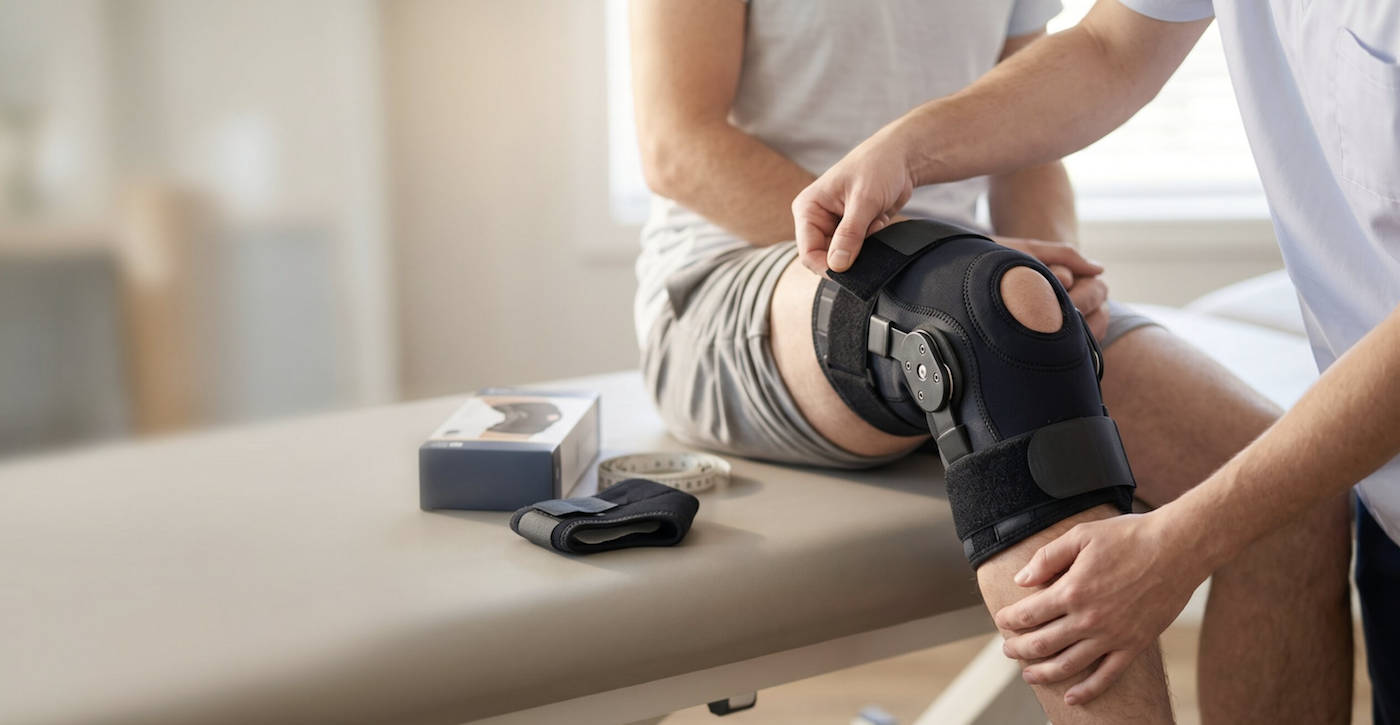
ORTHOPEDIC BRACNG
Support Your Movement. Protect Your Joints.
What Is Orthopedic Bracing?
When pain, injury or joint instability makes movement more difficult, the right support can make a meaningful difference.
Orthopedic braces are designed to support and stabilize specific joints or areas of the body. Depending on your needs, a brace may help reduce stress on an affected area, improve stability, support recovery or make everyday movement and physical activity more comfortable.
At Wintergreen Physiotherapy & Sports Medicine in Oakville, we can help determine whether orthopedic bracing may be appropriate for you and recommend a solution based on your condition, lifestyle and activity goals.
If you are recovering from an injury, managing arthritis, or just looking for additional support during work, exercise, or sport, our goal is to help you move with greater comfort and confidence.
How Can Orthopedic Bracing Help?
A brace isn't simply about restricting movement. Depending on the type of brace and your condition, it can provide targeted support while allowing you to continue moving and participating in everyday activities.
Orthopedic bracing may help to:
Manage symptoms associated with certain joint conditions
Support healing and rehabilitation
Protect an area following injury or surgery
Support an injured or vulnerable joint
Improve joint stability
Reduce stress on affected structures
Your healthcare provider can help determine how bracing fits into your overall treatment or rehabilitation plan.
Bracing for Knee Pain & Arthritis
The knee is one of the most commonly braced joints. Knee pain may develop as a result of arthritis, ligament injuries, previous injuries, repetitive activity or other musculoskeletal conditions.
Depending on the cause of your symptoms, an appropriately selected knee brace may provide additional stability or redistribute pressure across the joint to make certain activities more comfortable.
Bracing may be used alongside physiotherapy, strengthening and other treatment approaches as part of a broader plan to help you maintain mobility and stay active.
Bracing for Sports & Activity
Returning to physical activity after an injury can sometimes come with uncertainty, especially if the affected joint still feels vulnerable or unstable. For some injuries, orthopedic bracing may provide additional support during rehabilitation and your gradual return to activity.
Depending on your sport, injury and stage of recovery, your healthcare provider can recommend whether a brace may be beneficial and how it should be incorporated into your return-to-sport plan.
The goal is to provide appropriate support without replacing the strength, mobility and movement your body needs to perform.

Post-Injury & Post-Surgical Bracing
Certain injuries and surgical procedures may require additional support while tissues heal. In these situations, a brace may be recommended to protect an affected area, limit specific movements or provide stability during recovery.
If your orthopedic physician or physiotherapist has recommended bracing, we can help ensure you receive an appropriate brace and understand how it should be used.
Always follow any specific bracing or activity instructions provided by your surgeon or healthcare team following a procedure.
Finding the Right Fit
Not every brace is right for every person. The appropriate brace depends on factors such as the joint being supported, your condition, your body, your activity level and how you intend to use it.
Proper fit is also important. A brace that is too loose may not provide the intended support, while one that is too tight can be uncomfortable and may cause other issues.
At Wintergreen, we'll help you find an option suited to your needs and make sure you understand how to wear and use your brace appropriately.

In Need of Orthopedic Bracing?
Bracing and physiotherapy can often work together. While a brace may provide additional external support, physiotherapy can address areas such as strength, mobility, balance, and movement patterns that may be contributing to your symptoms or recovery.
Orthopedic Bracing FAQs
-
The need for a brace depends on your condition, symptoms and activity requirements. A healthcare professional can assess your concerns and help determine whether bracing may be appropriate as part of your treatment or recovery.
-
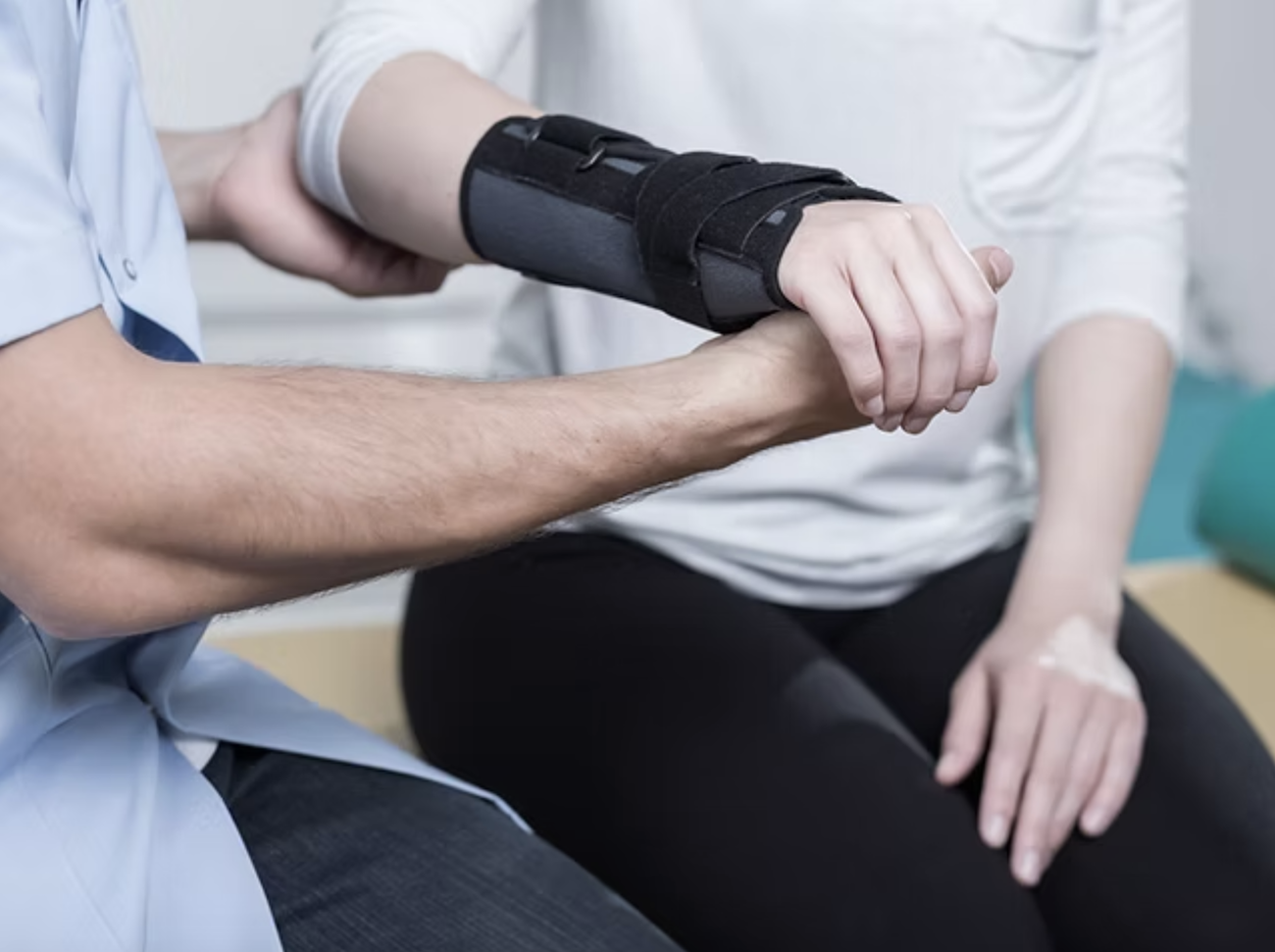
Orthopedic braces can be designed to support different areas of the body, including the knees, ankles, wrists and elbows. The appropriate type of brace will depend on your injury or condition and the level of support you require.
-
Certain braces may help people with arthritis by supporting the affected joint or changing how pressure is distributed during movement. Whether bracing is appropriate will depend on the joint involved and your individual symptoms.
-
Not necessarily. How often and how long you should wear a brace depends on the reason you're using it and the type of brace prescribed or recommended.
Follow the instructions provided by your healthcare professional rather than assuming that more time in a brace is always better.
-
A brace and physiotherapy serve different purposes and are often used together. A brace may provide external support, while physiotherapy can help address strength, mobility, balance and movement as part of your recovery.
-
Coverage varies depending on your extended health insurance plan and the type of brace required. We recommend checking directly with your insurance provider to understand your coverage, documentation requirements and reimbursement limits before purchasing.
Pelvic floor physiotherapy provides more specialized assessment and treatment for concerns involving pelvic floor function, including bladder or bowel symptoms, pelvic pressure, pelvic pain and discomfort during intercourse.
Your physiotherapist can help determine which approach is most appropriate for your needs.